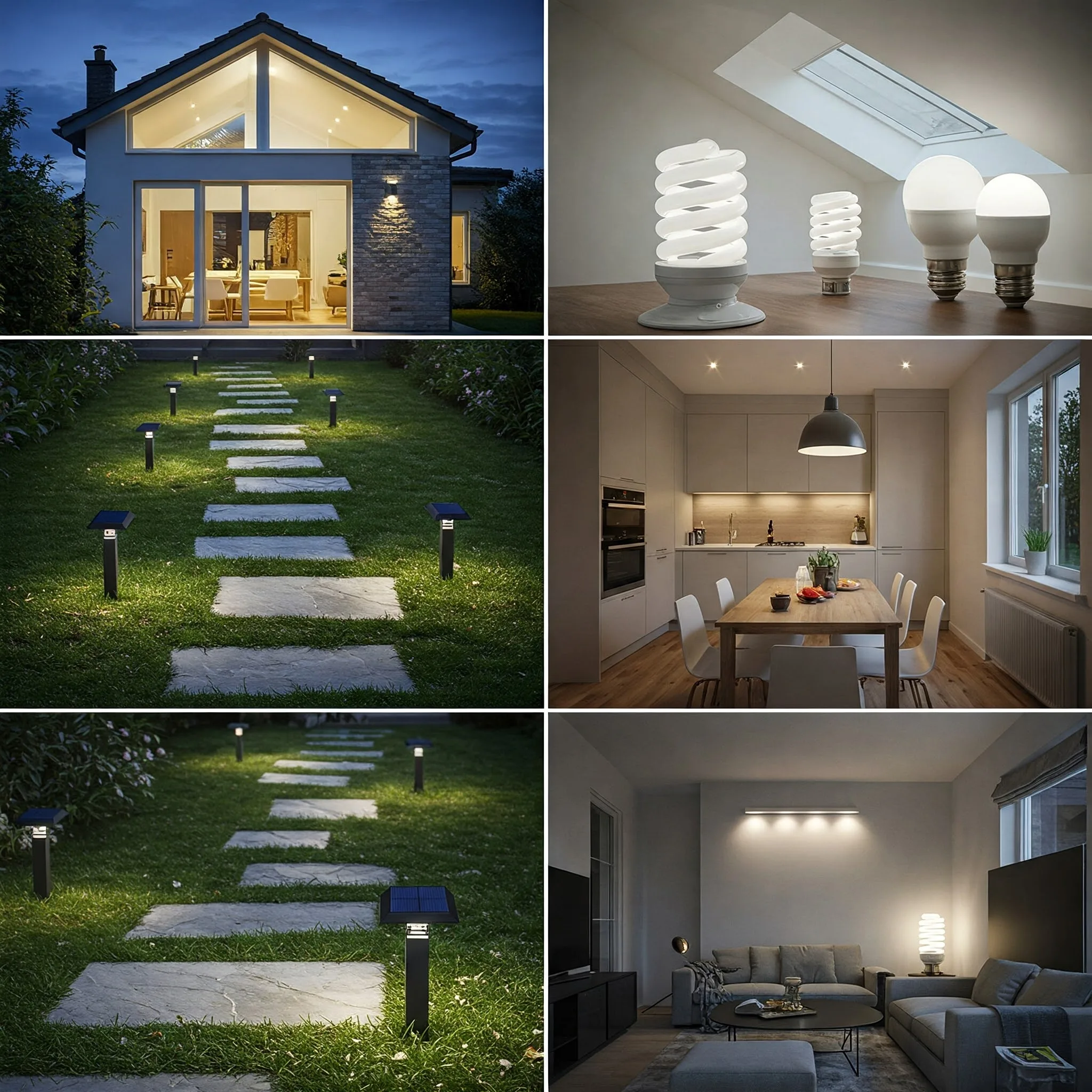
The choices we make about lighting in our homes have a significant impact on both our energy bills and the environment. As more of us seek to live sustainably, incorporating eco-friendly lighting has become an essential part of creating a greener home. Fortunately, there are many options available today that combine energy efficiency, sustainable materials, and smart technology to help you light your home responsibly. This guide explores some of the most effective eco-friendly lighting solutions for a more sustainable living environment.
The Power of LEDs: Efficient and Long-Lasting
LED (Light Emitting Diode) technology has revolutionized home lighting. LEDs are remarkably energy-efficient, using up to 90% less energy than older incandescent bulbs while providing comparable or better light output. This efficiency comes from their ability to convert almost all the energy they use directly into light, rather than losing it as heat. The longevity of LED lights is also a major benefit, with many lasting 50,000 hours or more. This means fewer bulb replacements, which in turn reduces manufacturing demand and waste. Unlike some other energy-efficient options, LEDs do not contain toxic materials like mercury, making them safer for your home and easier on the environment when they are eventually disposed of.
Designing with Sustainable Materials
The environmental consideration of lighting goes beyond just the energy consumed. The materials used to make lighting fixtures also play a role. Sustainable lighting design is increasingly focusing on using eco-friendly materials that minimize environmental harm.
Recycled and recyclable materials are becoming more common. Aluminum, for instance, is highly sustainable because it can be recycled infinitely, and the lighting industry is utilizing “green aluminum” produced with renewable energy. Recycled plastics are also being incorporated into fixtures; some manufacturers are creating luminaires from 100% recycled plastic, including post-industrial and post-consumer waste.
Natural and organic materials offer another avenue for sustainable design. Certified wood from responsibly managed forests provides a warm aesthetic and environmental benefits. Fast-growing, biodegradable materials like wicker, bamboo, and hemp are also being used, contributing to a reduced ecological footprint and adding a unique, organic touch to interiors.
Innovative manufacturing techniques like 3D printing are also contributing to sustainability. Some companies are producing 3D-printed luminaires from 100% recyclable polycarbonate, which can have a significantly lower carbon footprint than traditional metal fixtures and are designed for easy disassembly and recycling.
Smart Lighting for Optimized Energy Use
Smart lighting technology brings intelligence to your home’s illumination, allowing you to optimize energy usage and enhance convenience. Motion sensors are a simple yet effective way to save energy by ensuring lights are only on when a space is occupied. Smart lighting systems offer even more control, with programmable schedules, daylight sensors, and remote access that allow you to adjust lighting based on your needs and natural light availability, minimizing energy consumption.
Integrating smart lighting with other home automation systems through the Internet of Things (IoT) can create truly intelligent environments. These systems can learn your habits and adjust lighting accordingly, and can even enhance security by simulating occupancy when you’re away.
Embracing the Sun: Solar and Off-Grid Options
Solar-powered lighting is a highly sustainable option, running entirely on renewable energy. Modern solar lighting systems are more advanced than ever, offering solutions for various home applications, from complete home lighting systems powered by solar panels to self-contained outdoor lights for paths and gardens. These systems eliminate ongoing electricity costs and associated emissions, and can provide reliable illumination during power outages. While their performance can be affected by factors like geographic location and placement, choosing models with replaceable components can help maintain their environmental benefits over time.
The Circular Approach to Lighting
Circular lighting is a holistic concept that considers the entire lifecycle of lighting products, aiming to minimize waste and maximize resource efficiency. This involves using reusable and recyclable materials, designing products for durability and easy repair, and enabling components to be replaced or upgraded rather than discarding the entire fixture. This approach not only reduces waste but also offers better long-term value.
Identifying Sustainable Options: Certifications
Navigating the world of sustainable lighting is made easier with various certification programs. ENERGY STAR is a well-known certification that identifies products meeting strict energy efficiency guidelines, typically using significantly less energy than conventional options. Other certifications like LEED and BREEAM address broader building sustainability, including criteria for lighting efficiency and environmental impact. Looking for products with verified recycled content, take-back programs, and transparent material sourcing, in addition to certifications, can help you make informed eco-friendly choices.
Economic Benefits: Saving Money While Going Green
Choosing eco-friendly lighting is not just good for the planet; it can also be good for your wallet. The long lifespan of LED lighting means fewer replacements and lower maintenance costs. The energy savings are also substantial, potentially saving homeowners hundreds of dollars annually on utility bills. While the initial cost may be higher, the long-term savings and reduced environmental impact make sustainable lighting a financially sound investment.
Lighting the Way to a Greener Future
Eco-friendly lighting offers a compelling combination of environmental responsibility, enhanced functionality, aesthetics, and economic benefits. By choosing energy-efficient LEDs, fixtures made from sustainable materials, smart controls, and even solar power, you can significantly reduce your home’s environmental footprint while creating more comfortable and efficient living spaces. The lighting industry continues to innovate, providing an ever-expanding range of sustainable options. By embracing these solutions, we can light our homes effectively and beautifully while contributing to a more sustainable future.