Ever walked into a room and felt instantly at ease, or perhaps been energized by its bright, focused light? That’s the power of layered lighting. It’s more than just flipping a switch; it’s about creating an environment that adapts to your life. Whether you’re a homeowner looking to enhance your space, an interior designer crafting the perfect ambiance, or a lighting professional seeking to educate clients, understanding layered lighting is key. Let’s delve into the principles and practical tips to transform any space with light.
The Foundation: Ambient Lighting
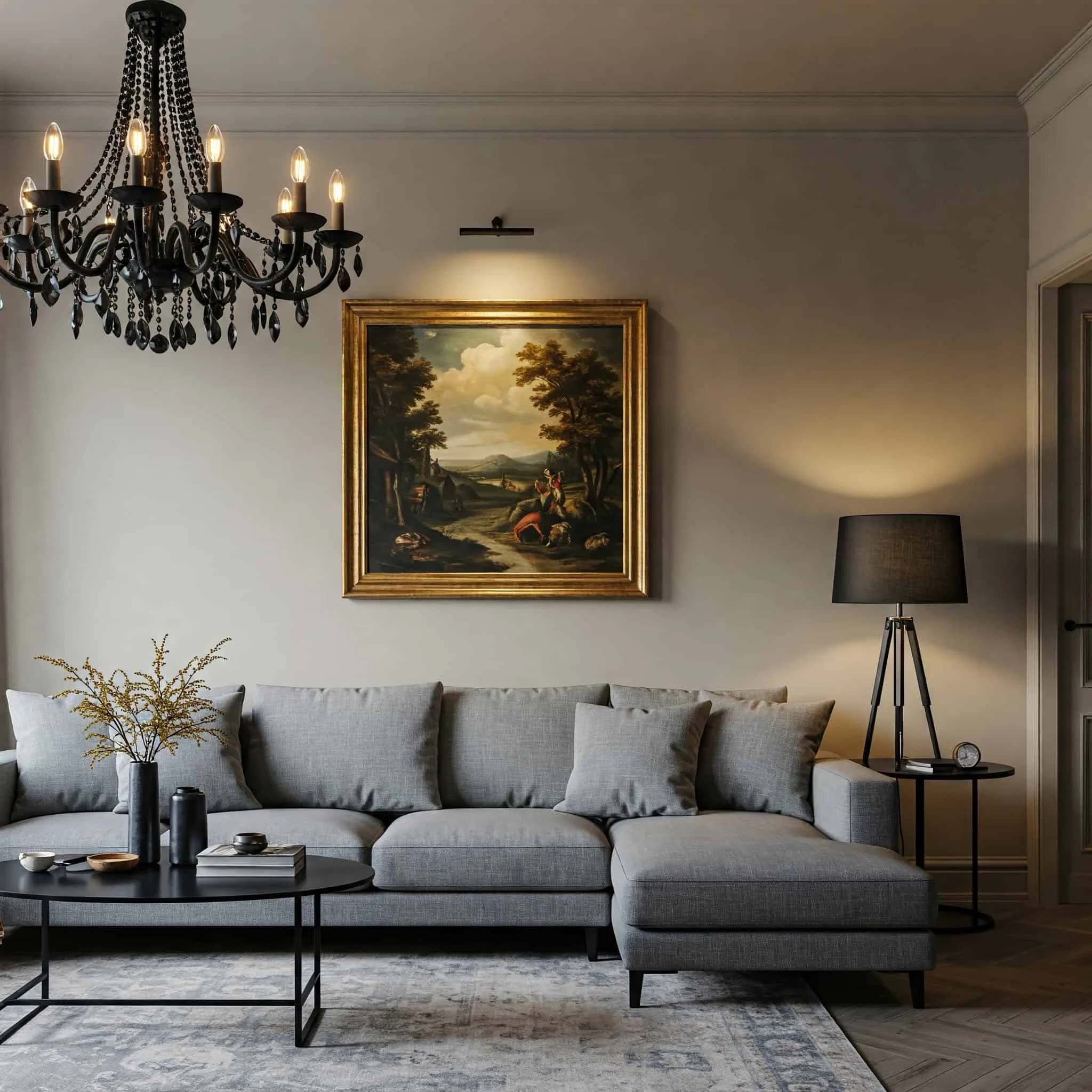
Think of ambient lighting as the canvas upon which you paint your lighting design. It’s the general, overall illumination that fills a room, ensuring safety and comfort. Common sources include ceiling lights, chandeliers, recessed lighting, and pendant lights. This layer sets the mood and provides a base for all other lighting elements.
Focused Functionality: Task Lighting
Task lighting is all about precision. Whether you’re reading a book, preparing a meal, or working at a desk, focused light is essential. Desk lamps, under-cabinet lights, bedside lamps, and vanity lights are prime examples. This layer minimizes eye strain and enhances productivity.
Adding Drama: Accent Lighting
Accent lighting is where you showcase your style. It highlights specific features like artwork, architectural details, or decorative pieces. Wall sconces, track lighting, spotlights, and LED strip lights are your tools for creating visual interest and depth.
Why Layered Lighting Matters:
- Customizable Ambiance: Imagine effortlessly transitioning from a bright, energetic kitchen to a cozy, relaxing living room with the simple adjustment of your lighting layers.
- Enhanced Depth and Dimension: Layered lighting adds visual texture, making spaces feel larger and more dynamic.
- Improved Functionality: Tailored task lighting ensures you have the right light for every activity.
- Flexibility and Energy Efficiency: By using only the necessary layers, you can save energy and adapt your lighting to changing needs.
Practical Tips for Perfect Layering:
- Start with ambient lighting as your base.
- Use dimmers for flexible control.
- Wire lights on multiple circuits for independent operation.
- Experiment with vertical, horizontal, and depth layering.
- Pay attention to color temperature: warm for relaxation, cool for focus.
- Incorporate various light sources at different heights.
- Utilize LED strip lights for creative accents.
- Experiment with light placement and angles.
- Consider a central control device for easy management.
- Remember lamps are mobile and multi purpose.
Conclusion:
Layered lighting is a powerful tool for transforming your home. By understanding the principles and applying these tips, you can create spaces that are both functional and visually stunning. Whether you’re aiming for a cozy atmosphere or a vibrant, energetic environment, layered lighting allows you to tailor your home to your unique needs and style. What lighting layers will you implement in your home today?