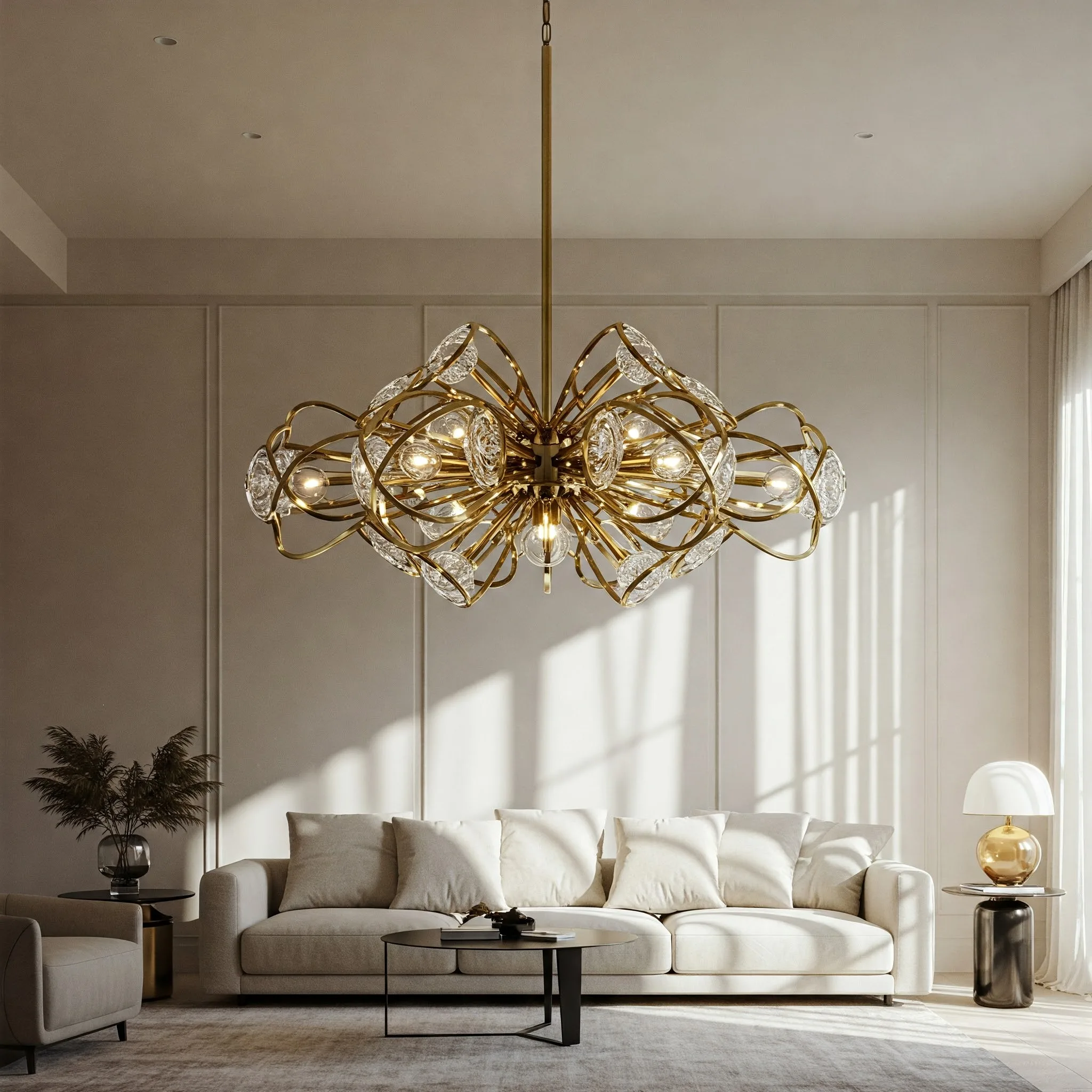
Lighting is no longer just about dispelling darkness; it has evolved into a powerful medium for artistic expression and spatial transformation. Sculptural lighting, in particular, stands at this exciting frontier, blurring the lines between functional object and captivating art piece. These aren’t just fixtures; they are statement makers that breathe personality and artistic flair into interiors, shaping atmosphere, directing the eye, and engaging us in a dynamic dance of light and shadow.
The journey of light as an art form has a rich history, but today’s sculptural lighting represents a modern culmination of design vision, technological innovation, and material mastery. Unlike purely functional lights, sculptural pieces often prioritize their form, presence, and meaning, much like historical artifacts where the structure holds significance beyond the light it provides. This growing focus on the artistic merit of lighting reflects a desire for more personalized and expressive interiors, where lighting becomes a key vehicle for self-expression for both homeowners and businesses.
The Dual Nature: Beautiful On or Off
A defining characteristic of modern sculptural lighting is its compelling duality – its ability to command attention and be appreciated for its form even when not illuminated. Designers are increasingly creating pieces that are as visually striking during the day, serving as captivating sculptures, as they are at night when they transform into sources of enchanting light. This ensures that the fixture remains an interesting and valuable design element around the clock.
Crafting Light: Materials and Mastery
The creation of these luminous sculptures involves a deep appreciation for materials and meticulous craftsmanship. Traditional techniques often blend with cutting-edge technology to achieve unique aesthetic effects. Materials are chosen not just for their look but for how they interact with light.
Glass, with its inherent translucence and versatility, remains a favorite, manipulated to create plays of opacity and transparency. Metals like brass and bronze add warmth and reflection, while delicate materials like bone china offer a soft, luminous quality. Even natural materials like stone are being integrated, with backlit marble or onyx creating dramatic light and shadow effects.
This material innovation is often paired with artisanal skill. Designers frequently collaborate with specialized craftspeople, merging their design abilities with traditional material knowledge to push the boundaries of what’s possible. This fusion allows for increasingly complex and sophisticated designs, where the collaboration between designer, artisan, and even technical teams is crucial to overcoming challenges and realizing innovative visions.
The Dance of Light and Shadow
Perhaps the most magical aspect of sculptural lighting is its ability to choreograph light and shadow within a space. Unlike conventional lighting that seeks to minimize shadows, sculptural lighting often embraces and celebrates them. Shadow patterns become an extension of the fixture itself, projected onto surrounding surfaces to create artistic and dynamic effects. This intentional use of shadow adds depth and dimension, turning walls, floors, and ceilings into canvases for light play and generating striking visual narratives.
This interplay of light and darkness creates environments that evolve throughout the day, transforming the mood and perception of a space. Lighting becomes a powerful tool for storytelling and experience design, capable of inspiring emotional reactions and adding richer dimensions to interiors.
Transforming Spaces, Creating Focal Points
Sculptural lighting is a potent tool for defining and transforming interior environments. A carefully chosen piece can become the central focus of a room, anchoring the design scheme and establishing a distinctive identity. These statement fixtures create instant visual hierarchy, drawing the eye and influencing how people experience and move through a space.
In homes, a dramatic sculptural chandelier can define a dining area and create an intimate atmosphere. In commercial settings, sculptural lighting can reinforce brand identity and create memorable customer experiences. The scale of the fixture is also crucial; an oversized piece can dramatically transform a room, but it must be proportional to the space to achieve the desired impact.
Sculptural lighting also plays a vital role in supporting contemporary, multifunctional spaces. As rooms are increasingly used for various activities, lighting needs to be adaptable. Modular designs and smart technology integration allow for customizable arrangements and programmable lighting scenarios that can transform the space at the touch of a button, catering to different moods and functions.
Visions of Light: Contemporary Designers
The world of sculptural lighting is illuminated by designers with unique perspectives. Sabine Marcelis, for example, is known for her exploration of material properties and light interaction, creating pieces that are captivating whether on or off. Konstantin Grcic’s work explores modularity, allowing users to create their own sculptural compositions. Anna Karlin brings an anthropomorphic touch to her designs, infusing them with narrative and emotional resonance.
Many contemporary designers also embrace interdisciplinary and collaborative approaches, working with artisans and technical experts to bring their visions to life. This collaborative spirit, from initial concept to manufacturing, is key to pushing the boundaries of sculptural lighting design.
Integrating Art into Interiors
Successfully incorporating sculptural lighting into a design requires careful consideration. It’s about balancing the statement the piece makes with the overall harmony of the space. While some sculptural lights can dominate a minimalist setting, others need to complement existing architectural features and furnishings.
Professional designers often advocate for a layered lighting approach, where sculptural pieces serve as the decorative or accent layer, working in concert with ambient and task lighting. This layering creates visual depth and allows for flexible lighting scenarios to suit different activities and moods, much like natural light changes throughout the day.
The Future is Bright (and Sculptural)
As technology continues to advance and design sensibilities evolve, the future of sculptural lighting is full of exciting possibilities. Sustainability is becoming an increasingly important factor, with designers considering the lifecycle of their products, using responsibly sourced materials, and incorporating energy-efficient light sources.
The integration of smart technology is also expanding the potential of sculptural lighting, allowing for dynamic effects, color changes, and seamless integration with smart home systems. The challenge and opportunity lie in incorporating these technologies without sacrificing the artistic integrity of the piece.
The Enduring Appeal
Sculptural lighting occupies a compelling space where art, design, and technology converge. In an increasingly digital world, these tangible, physical objects offer a powerful counterpoint, creating sensory experiences that engage us on multiple levels. They are more than just sources of light; they are masterpieces that illuminate spaces with elegance, sophistication, and charm, transcending their utilitarian purpose to become true works of art.
When thoughtfully selected and placed, sculptural lighting pieces transform the ordinary into the extraordinary, influencing emotions and creating memorable environments that resonate with meaning and beauty. Whether defining a residential space, setting the mood in a hospitality environment, or reinforcing a brand identity, sculptural lighting continues to demonstrate its remarkable power, one shadow, reflection, and beam of light at a time.
What kind of sculptural lighting piece would make a statement in your space?