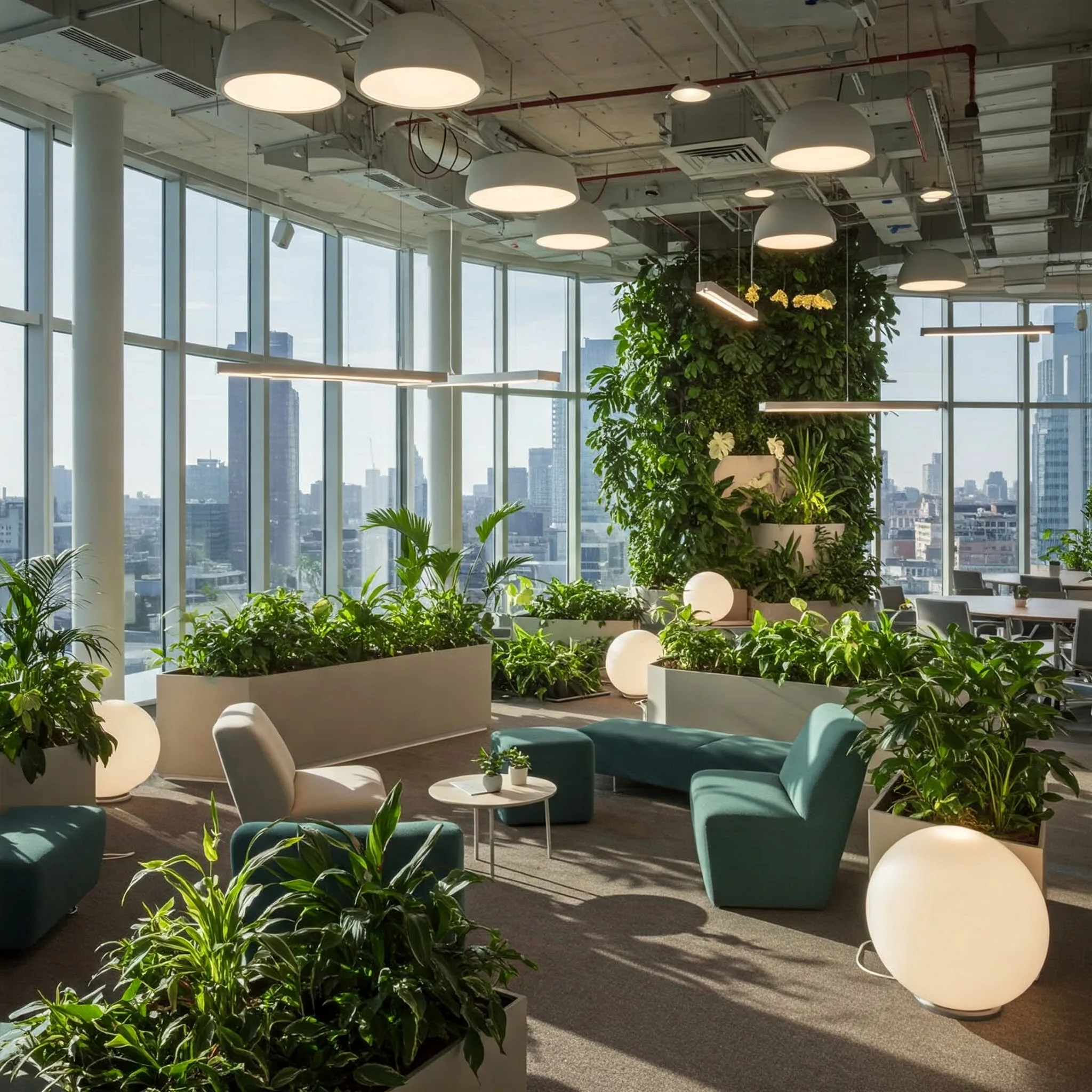
The fusion of nature and interior spaces has evolved beyond simple houseplants and wooden furniture. Today, biophilic lighting represents one of the most innovative and impactful ways to reconnect with the natural world while enhancing our wellbeing. This research explores how the strategic implementation of nature-inspired lighting can transform indoor environments, reduce stress, and promote overall health through organic designs and natural elements.
Understanding Biophilic Lighting Principles
Biophilic lighting is a design concept that mimics the natural light patterns and cycles experienced in nature, creating indoor environments that connect people with the natural world. At its core, biophilic lighting seeks to replicate the qualities and benefits of natural sunlight within enclosed spaces. The term biophilia, literally translating to “love of nature,” reflects our innate connection to the natural world that has guided human rhythms for millennia.
Throughout human history, daylight has regulated our biological processes, influencing everything from sleep to mood. In today’s predominantly indoor environments, biophilic lighting recreates this connection by emulating the sun’s daily journey. When lighting reflects nature’s dynamics, it helps restore balance to our overstimulated lives, creating spaces that feel both invigorating and calming.
Key Elements of Biophilic Lighting Design
Effective biophilic lighting incorporates several essential elements:
- Dynamic Light Control: Systems that adjust intensity, color temperature, and distribution throughout the day to mimic natural daylight conditions.
- Tunable White Technology: LED systems that can shift from energizing cool tones during peak daylight hours to warmer, more relaxing tones in early morning and evening.
- Natural Material Integration: Incorporating natural elements like wood, stone, and plant materials into lighting fixtures.
- Organic Forms and Patterns: Design elements that echo shapes, patterns, and textures found in nature.
Biophilic lighting often features chromatic control to emulate natural light cycles, dimmable functionality to adapt to changing activities, and optimizes available natural light sources. This thoughtful combination creates lighting that supports both aesthetic appeal and physiological wellbeing.
The Science Behind Light and Wellbeing
Scientific research increasingly validates the profound impact of light exposure on human health and psychology. A survey by the Lighting Research Center found that people with “somewhat bright” to “very bright” indoor lighting reported fewer sleep disturbances, less anxiety and depression, and generally felt happier compared to those in dimmer environments.
The relationship between light and wellbeing operates through several mechanisms:
Circadian Rhythm Regulation
Biophilic lighting helps synchronize our internal body clocks with natural daylight cycles. This regulation extends beyond sleep patterns to influence hormone release, body temperature, and numerous physiological processes. When properly aligned, these processes support energetic days and restful nights, creating a foundation for overall wellbeing.
Stress Reduction and Mood Enhancement
Exposure to lighting that mimics natural patterns has been shown to reduce stress levels, improve mood, and create environments that feel calming and restorative. In The New York Times, researchers reported that natural light exposure correlates with greater productivity and improved mood compared to typical artificial lighting.
In fact, a Human Spaces research report found that biophilic design elements, including appropriate lighting, can improve productivity by 6% and boost creativity by up to 15%. These findings underscore the value of biophilic lighting in both home and professional environments.
Organic Modern Style: The Rise of Nature-Inspired Lighting
The design world has witnessed a significant shift toward organic modern styles that embrace nature. This approach marries the clean lines of modern design with natural textures and forms found in the environment1. The trend extends to lighting fixtures that mimic organic shapes and incorporate natural materials.
Natural Materials in Lighting Design
One of the defining characteristics of organic lighting is the use of materials inspired by nature. While rattan and bamboo have been popular for years, 2023-2024 has seen the emergence of natural stones like marble, alabaster, onyx, and travertine as sought-after materials for lighting fixtures.
These materials bring unique qualities to lighting:
- Marble: Offers versatility with various colors and patterns, creating refined and sophisticated lamp bases or shades.
- Alabaster: Provides a translucent quality that creates a warm, inviting glow, with natural veining making each piece unique.
- Cork and Ceramic: Creates dramatic draped compositions that invite touch and produce warm, bright light.
- Wood, Rattan, and Seagrass: Bring outdoor textures inside, resonating with forms found in nature.
Fluid and Organic Shapes
The shapes in organic modern lighting tend to be softer and more fluid, mimicking contours found in nature. Sculptural fixtures resembling leaves, flowers, or waves create dynamic visual interest that softens rigid architectural lines1. These organic forms provide both functional illumination and artistic expression that connects spaces to the natural world.
Implementing Biophilic Lighting for Maximum Wellbeing
Thoughtful implementation of biophilic lighting principles can transform indoor environments and significantly impact wellbeing. The approach differs based on the space and intended outcomes:
Residential Spaces
In homes, biophilic lighting can create environments that support both activity and relaxation:
- Light Layering: Incorporate different light source typologies, creating depth and allowing adjustment based on time of day and activities.
- Pre-Sleep Environments: Before bedtime, create soothing atmospheres with dimmed lights and warm, soft lighting tones to prepare the body for rest.
- Strategic Window Placement: Maximize natural light access through thoughtful window positioning, reducing dependence on artificial lighting and supporting sustainability.
Commercial and Healthcare Environments
Workplaces and healthcare settings benefit significantly from biophilic lighting:
- Workplace Design: Offices with access to natural light have been linked to better sleep quality, higher physical activity levels, and lower stress among workers.
- Healthcare Applications: In medical environments like MRI rooms, biophilic elements can create a sense of calm while still meeting technical requirements, helping patients manage stress during procedures.
- Educational Settings: Schools implementing biophilic lighting report improved student concentration and reduced eyestrain, particularly important in today’s screen-dominated learning.
Technological Advancements Supporting Biophilic Lighting
Recent technological developments have made biophilic lighting more accessible and effective:
LED Innovations
Modern LED technology offers several advantages for biophilic lighting:
- Reduced Eye Strain: More stable light output reduces flickering, preventing eye strain during extended exposure.
- Adjustable Color Temperature: The ability to modify color temperature throughout the day supports different activities and circadian alignment.
- Energy Efficiency: LEDs require less energy while providing high-quality, customizable light.
Quantum-Dot LED Technology
Emerging quantum-dot LED technology offers unprecedented control over light spectra. These semiconductor particles just nanometers in size can be precisely tuned to produce specific light frequencies, offering highly-controllable spectral tunability that traditional phosphor-converted LEDs cannot match7. This technology is especially valuable for creating the nuanced light conditions that biophilic lighting requires.
Smart Control Systems
Advanced control systems allow for automated, gradual transitions in lighting throughout the day, mimicking natural lighting cycles without requiring manual adjustments. These systems can be programmed to support circadian rhythms and can adapt to seasonal changes in natural daylight patterns.
The Future of Biophilic Lighting
As awareness of lighting’s impact on health continues to grow, several trends are emerging in the biophilic lighting landscape:
Integration with Overall Design
Biophilic lighting is increasingly being considered holistically with other design elements from the earliest stages of planning5. Rather than being added as an afterthought, lighting becomes integral to creating spaces that support wellbeing.
Personalization and Adaptability
Future biophilic lighting systems will likely offer greater personalization based on individual preferences and specific health needs. These adaptable systems will learn from user behavior and adjust accordingly to provide optimal lighting conditions.
Broader Applications
The principles of biophilic lighting are expanding beyond high-end residential and corporate environments into schools, healthcare facilities, and public spaces as their benefits become more widely recognized.
Conclusion
Biophilic lighting represents more than a design trend—it’s a return to lighting that aligns with our fundamental human needs. By bringing nature indoors through organic designs and natural elements, we can create environments that reduce stress, enhance mood, and support overall wellbeing.
As lighting technology continues to advance and our understanding of light’s impact on health deepens, biophilic lighting will play an increasingly vital role in creating spaces that nurture both body and mind. The growing body of research supporting its benefits suggests that this approach to lighting design isn’t merely aesthetic but essential for creating truly healthy indoor environments.
Whether through grand architectural interventions or simple lighting adjustments, incorporating biophilic lighting principles can transform our relationship with indoor spaces, helping us reconnect with the natural rhythms that have sustained humanity throughout our existence.