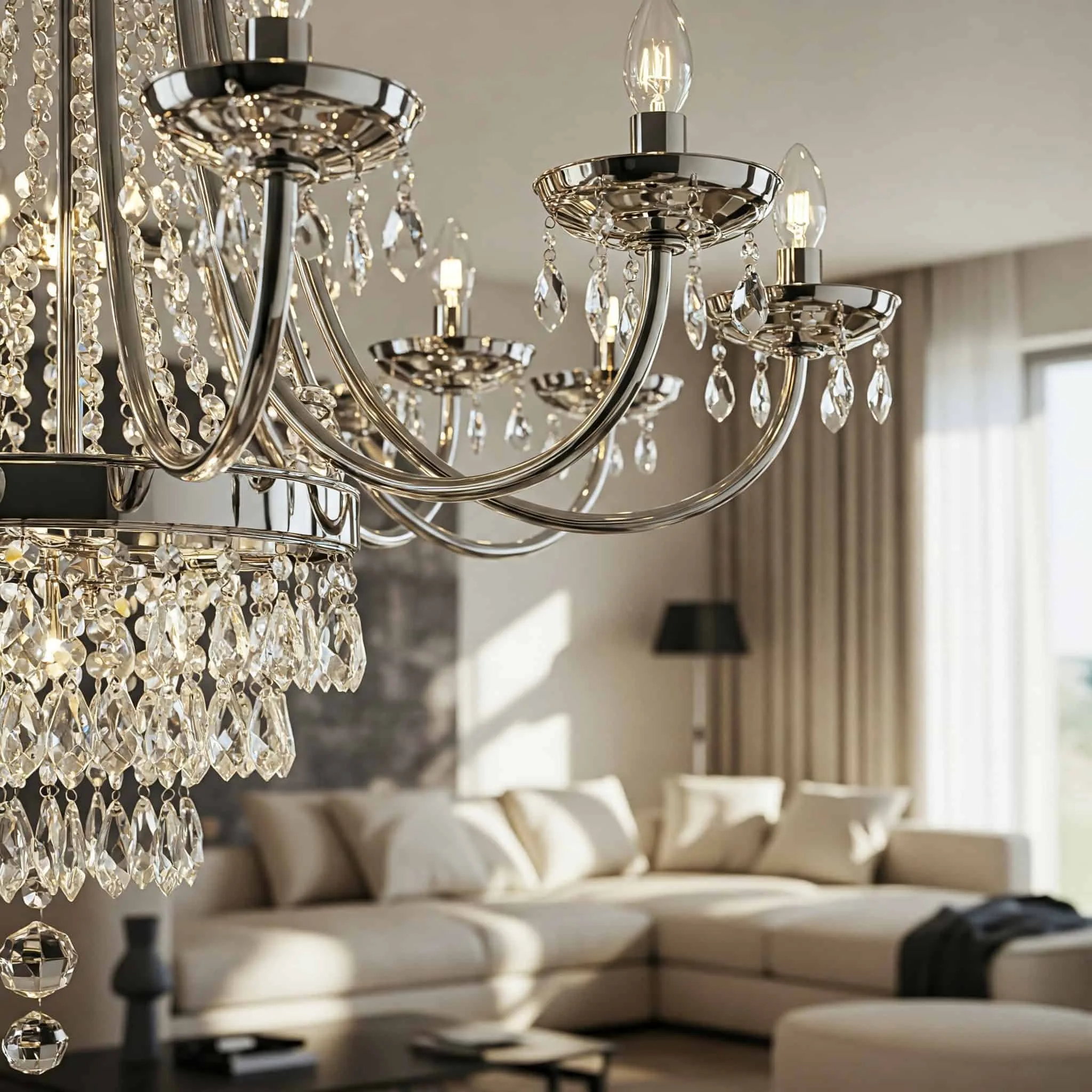
The “big light” – that central ceiling fixture – has long been a staple in homes. But in today’s evolving interior design landscape, its role is being questioned. Social media debates and expert opinions are sparking conversations about whether this traditional lighting solution still shines, or if it’s time to explore alternative approaches. Let’s delve into the arguments for and against central ceiling fixtures and discover how to achieve optimal lighting in modern spaces.
The central ceiling light, once the default, now faces scrutiny as design philosophies shift towards layered lighting. This approach, advocated by lighting experts, emphasizes ambient, task, and accent lighting to create depth and visual interest.
- The Case For Central Fixtures:
- They provide a foundational layer for comprehensive lighting schemes, especially when paired with dimmer controls.
- Ceiling lights can serve as dramatic design statements and focal points, adding architectural interest.
- They can enhance a room’s perceived height and dimension, drawing the eye upwards.
- For practical purposes like cleaning or hosting gatherings, central lighting ensures comprehensive illumination.
- Maintaining wiring for central fixtures future-proofs spaces for potential changes in design preferences.
- The Case Against Central Fixtures:
- They can produce harsh, unflattering illumination, particularly in relaxation areas.
- In minimalist designs, they can introduce unwanted visual clutter.
- Low ceilings can feel cramped with central fixtures.
- Maintenance, like bulb replacement, can be cumbersome.
- They offer limited control over a room’s atmosphere, providing uniform illumination rather than nuanced effects.
Modern Alternatives:
- LED Strip Lighting: Flexible and energy-efficient, they provide ambient illumination in various applications.
- Portable Lighting: Floor and table lamps offer adjustable, targeted lighting for specific tasks and areas.
- Wall-Mounted Options: Sconces deliver ambient and task lighting without occupying ceiling space.
- Distributed Ceiling Fixtures: Multiple smaller ceiling lights provide overhead illumination without the harshness of a single central source.
- No-Central-Light Design: A layered approach utilizing various light sources to meet specific needs.
Best Practices:
- Consider room dimensions when selecting ceiling lighting.
- Position central fixtures strategically, rather than just in the center of the room.
- Implement a layered lighting approach with ambient, task, and accent lighting.
- Use decorative enhancements like ceiling rosettes to add architectural interest.
- Install dimmer controls to increase versatility.
Conclusion:
The debate surrounding central ceiling fixtures highlights the importance of thoughtful and flexible lighting design. Rather than adhering to rigid rules, consider how different lighting elements work together to create functional and visually appealing spaces. By understanding the strengths and limitations of central fixtures, and embracing modern alternatives, you can achieve nuanced, personalized lighting solutions that move beyond the “big light” debate.